Residential Excavation near Pike County AL | Guide to Managing Risk
Residential Excavation Near Pike County, AL: The Risks Homeowners Should Expect
If you’re getting ready to build in Pike County—maybe a new home in Prattville or an addition out near Marbury excavation is the first big step. It also happens fast. One day you see grass; the next day iron tracks, dump trucks, and a cut in the earth. That’s where problems can sneak in: hidden utilities, soft Alabama clay, standing water after a storm, or a survey line that isn’t where you thought it was.
Why Planning Excavation Matters in Pike County, AL
Excavation isn’t just “dig and dump.” It sets the foundation for everything that comes after: footings, slab, septic, utilities, driveway, and drainage. A small mistake now can become a big problem later—cracks in concrete, pooling water around your home, or a sewer line that doesn’t fall the way it should.
Planning saves money. Planning saves time. Planning keeps peace with your neighbors. In Alabama, where storms can roll in quickly and clay soils hold water, planning is the difference between smooth building and frustration.
Alabama Clay and Local Soil: How Dirt Type Changes Your Dig
Pike County dirt can look firm on top and turn slick underneath after rain. Clay holds water, swells, and shrinks. Sandy pockets drain fast and can collapse if cut too steep. Mixed soils call for different choices in cut angles, compaction, and base layers under your foundation and driveway.
What this means for you:
Footing depth and width may need to adjust for bearing strength.
Compaction matters. We don’t just “roll it once.” We compact in lifts so your ground stays put.
Imported fill might be needed where native soil is too soft.
Geotextile can separate weak soils from base rock to keep driveways from pumping mud.
Drainage and Water Table in Pike County, AL: Keep Water Away from Your Home
Water is the silent troublemaker. In our area, a heavy shower can turn an open cut into a pond. If your ground sits low, or your neighbor’s lot sheds water toward you, drainage must be part of the plan from day one.
Key moves we make:
Positive slope away from the house—think 6 inches drop over the first 10 feet if possible.
Swales that look natural but quietly move water to safe spots.
French drains or daylight drains where water likes to sit.
Downspout extensions tied to drain lines instead of dumping at the foundation.
Slope, Grading, and Erosion Control for Central Alabama Homesites
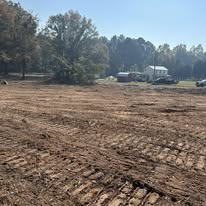
Good grading feels invisible because it just works. We shape the land to carry stormwater around your home and off your lot safely. With Alabama rains, erosion control is not a luxury.
We use:
Silt fence and inlet protection to keep sediment on site.
Temporary seed and straw to lock in bare soil until permanent landscaping goes in.
Check dams in steeper swales to slow water and prevent rutting.
Hidden Utilities and 811 in Alabama: How to Avoid Breaks and Fines
Never dig blind. Calling 811 before excavation isn’t just smart; it’s required. Utility lines may not run where you expect—especially on older properties or rural parcels. Striking a line can be dangerous and expensive.
We coordinate locates, then hand-dig or vacuum-expose where marks show conflict. For private lines—like well feeds, septic, or yard lighting—public locates won’t mark them, so we’ll ask you what you know and probe carefully.
Permits, Codes, and Inspections in Pike County, AL: What Homeowners Need to Know
Most excavation connects to something that triggers permits—foundations, septic systems, driveway entrances, or stormwater controls. Inspections check for footing depth, compaction, setbacks, and erosion measures.
Skipping or guessing here can shut a job down. We align our schedule with your builder and the county so the inspector arrives when the site is truly ready. That keeps your project moving.
Septic Systems vs. Sewer Connections in Pike County, AL: Excavation Do’s and Don’ts
Parts of Pike County use sewer; others need septic. Each affects excavation:
Sewer tie-in: Requires proper slope, bedding, and compaction around the pipe. We plan trench depth to maintain fall from the house to the main.
Septic: Soil type, perc rates, and system design drive how deep we dig and where effluent lines run. We protect trenches from rain collapse and keep equipment off drain fields to avoid crushing the system.
Access for Heavy Equipment: Driveways, Gates, and Tight Yards
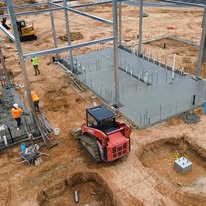
Excavators, dozers, and dump trucks need clear, stable access. Narrow gates, soft shoulders, low tree limbs, or steep ditches can slow work and add cost.
We’ll review:
Staging areas for soil and stone piles.
Temporary tracking pads to keep mud off the road.
Alternative machine sizes if the yard is tight or close to a neighbor’s fence.
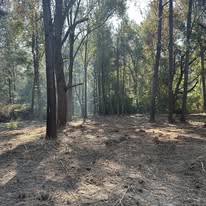
Tree Roots, Stumps, and Land Clearing: Protecting Your Yard and Budget
Trees are great until roots meet foundations, driveways, or septic lines. We help you decide what stays and what goes. If a stump sits under a future slab, it needs to be removed—no exceptions—because it will rot and sink later.
We also protect saved trees with fencing and careful machine paths, so you keep shade without compaction damage.
Rock, Hardpan, and Unexpected Obstacles: What Drives Up Costs
You can’t see everything until the bucket bites. Rock shelves, old concrete, buried debris, or a hidden culvert can change the plan. We keep you informed, show you what we hit, and explain options—ripping, hammering, rerouting, or importing fill—to keep the project on track with honest numbers.
Weather in Alabama: Rain Delays, Mud Management, and Safe Scheduling
Pike County storms can show up fast. Working wet clay is not just messy; it can damage the subgrade. We watch forecasts, cover open cuts if needed, and stage work to reduce weather risk. Sometimes “wait a day” is the most cost-effective choice.
Property Lines, Setbacks, and Surveys: Prevent Neighbor Disputes
A fence line isn’t always the lot line. Before we dig, we confirm survey stakes, easements, and setbacks. This protects you from rework and tough conversations later. If pins are missing, a surveyor visit now costs less than moving a footing later.
Cost Surprises to Plan For in Residential Excavation (Pike County, AL)
No one likes surprise bills. Here are the common drivers we help you plan for upfront:
Unsuitable soil: Extra undercut, geotextile, and base rock.
Rock or debris: Time and tools to break or remove.
Rain recovery: Pumping, reworking mud, or drying agents.
Access fixes: Temporary drive, mats, or tree trimming.
Design changes: Adjusting elevation, moving a drain, or resizing a culvert.
We build allowances for unknowns and communicate changes right away so you can make clear decisions.
Safety First: Trench Safety, Fencing, and Family/Pet Protection
Safety isn’t negotiable. Trench walls can collapse without warning. We use proper slopes, shoring, or boxes as conditions require. We also secure the site after hours—with cones, tape, or temporary fencing—so kids, pets, and curious neighbors stay out of harm’s way.
How We Customize Your Excavation Plan: Step-by-Step Approach
Every project starts with your goals and your ground. Here’s how we build a plan that fits you:
Listen & Walk-Through
We meet on site, review your drawings, talk through access, trees, drainage, and where you want to stage materials.Soil & Drainage Read
We look at soil type, surface flow, and nearby grades. If needed, we bring in a simple soil test or coordinate with your engineer.Utility & Survey Check
We call 811, confirm survey markers, and flag private lines you know about. If anything is unclear, we slow down and verify.Cut/Fill Map
We model how much soil to remove and where it goes. This controls trucking costs and helps you avoid paying to haul away what we could reuse smartly.Erosion Control Plan
Silt fence, inlets, temporary seeding, and straw—installed early so you don’t fight mud all job long.Schedule Around Weather
We sequence work to avoid open trenches before a storm and protect subgrade before concrete.Daily Check-Ins
Short, clear updates. Photos if you’re not on site. If we hit rock or water, you hear it the same day with options and pricing.Quality Close-Out
We fine grade, stabilize bare areas, and make sure drainage moves the right way before the next trade arrives.
Pike County, AL Homeowner Checklist: Before, During, and After Excavation
Before
Get a current survey and mark corners.
Share plans (house footprint, driveway, septic/sewer).
Walk the site with us to mark access, trees to save, and staging.
Confirm permits and inspection steps.
Call 811 (we coordinate, but you should know the window).
During
Expect short daily updates—progress, weather notes, next steps.
Keep kids and pets clear of the work zone.
Watch the forecast; if a big storm is coming, we may tarp or pause.
Ask questions—no such thing as a silly one.
After
Walk the site with us and your builder.
Confirm drainage flow away from the home.
Install downspout extensions to daylight or a drain system.
Plan temporary seed/straw if landscaping isn’t immediate.
Common Mistakes We Help You Avoid on Day One
Digging before the survey is confirmed.
Skipping 811 or assuming private lines aren’t there.
Building in a low spot without a drainage plan.
Ignoring Alabama clay behavior—not compacting in lifts or placing thin base under a driveway.
Leaving stumps under a slab because “it’ll be fine.” It won’t.
Underestimating weather delays and pushing when the soil is soup.
Not planning access for concrete trucks and framers after we leave.
FAQ: Residential Excavation Questions from Alabama Homeowners
Q: How long does residential excavation usually take in Pike County, AL?
A: For a typical homesite—house pad, driveway cut, utility trenches—think several days to two weeks, depending on weather, soil, and scope. Rock, rain, or design changes can add time.
Q: Should I be on site during excavation?
A: If you can, yes for the first walk-through and at key milestones. If you can’t, we’ll send photos and updates so you’re never in the dark.
Q: What happens if you hit water?
A: We stop, assess the source, and suggest fixes—rerouting, adding base, installing a drain, or adjusting grade. We’ll show you options with costs before proceeding.
Q: Can you reuse my soil to save money?
A: Often, yes. If it’s clean and stable, we’ll balance cuts and fills to reduce trucking. If soil is too wet or weak, we’ll talk through alternatives.
Q: What’s the best season to start excavation in Central Alabama?
A: We work year-round, but planning around heavy rain patterns helps. A dry window gives better compaction and cleaner progress.
You don’t have to break ground blind. With the right plan, excavation becomes the smoothest part of your build. We’ll tailor the work to your soil, your drainage, and your schedule—and keep you informed every step so there are no surprises.
If you’re building or improving in Pike County, AL (or anywhere we serve in Central Alabama), we’re ready to walk the site with you, answer questions in plain language, and build a plan that fits your home and budget.