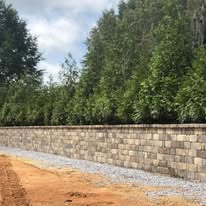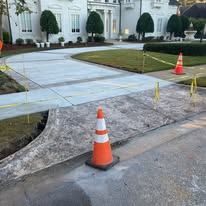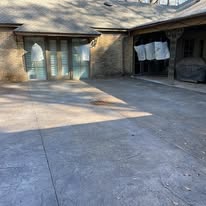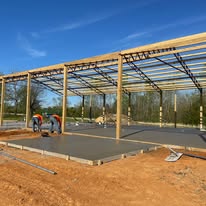
Drainage Systems Near Pike County, AL

Drainage Systems Near Pike County, AL | Real Budget Guide for Homeowners

December 18, 202510 min read

You’re tired of puddles that never leave, a muddy side yard, and that damp smell in the crawl space. You’ve tried the quick fixes—extra mulch, a bag of gravel, maybe a short splash block from the big-box store—and the water still wins. If that’s you, you’re in the right place.

We’re PennyEarned Concrete & Site Prep, based in Montgomery and serving Montgomery, Pike, Elmore, Lowndes, Bullock, Macon, Tallapoosa, Chilton, Dallas, and Pike Counties. We customize every drainage plan because every yard, soil type, and home layout is different. This guide lays out what drives cost, what options actually work in our Alabama clay, and how to build a realistic budget—without over- or under-spending.

Who This Guide Is For (Pike, Montgomery, Elmore & Nearby Counties)

This guide is for homeowners who:

  • See standing water after a normal rain

  • Fight soggy lawns that never dry

  • Notice water against the foundation, in a crawl space, or sneaking into a basement/garage

  • Want a clear number to plan around before calling for bids

If you live in or around Pike County, you’re dealing with red clay, high-intensity storms, and occasional flat lots that don’t drain on their own. That mix demands solutions that move water and protect soil.

Drainage Systems Near Pike County, AL

The Real Problem: Water Has Nowhere to Go in Alabama Clay

Our clay is sticky and slow to drain. Instead of soaking in, rainwater sits on top, spreads, and searches for the lowest point—often your foundation. Add short downspouts, settled grading, or a driveway that slopes toward the house, and you’ve got a recipe for headaches.

Good drainage does three simple things:

  1. Collect water where it shows up (gutters, low spots, driveways).

  2. Move it through a controlled path (pipe or channel).

  3. Release it at a safe, legal outlet (daylight, dry well, or approved tie-in).

Costs rise or fall based on how hard it is to do those three steps on your property.

What Drives the Cost of a Drainage System Near Pike County, AL

  • Soil and subsoil: Clay needs careful trenching and separation fabrics so your system doesn’t clog.

  • Slope and elevation: If the lot is flat, we may need a pump or more trench depth to get fall.

  • Access: Fences, trees, tight side yards, and utilities slow the work.

  • Length of runs: More pipe or channel equals more digging, fabric, rock, and labor.

  • Outlets: A proper discharge to daylight is cheaper than building an infiltration pit.

  • Restoration: Once trenches are in, lawns, beds, and hardscapes need repairs.

  • Permits and utility locates: Some setups require approvals or extra safety steps.

Common Drainage Solutions and Typical Price Ranges

Every property is unique, but these ranges help you start a budget:

  • French drain (perforated pipe + rock + fabric): $30–$55 per linear foot

  • Surface/yard drains (catch basins + solid pipe): $2,000–$5,500 for a small network

  • Channel/trench drains (driveways/garage entries): $70–$150 per linear foot installed

  • Downspout extensions & gutter tie-ins: $150–$600 per downspout, more if long runs

  • Dry wells/infiltration pits: $1,500–$4,000 each (size and soil drive cost)

  • Sump pump with discharge line: $1,200–$3,500 (pit, pump, power, pipe)

  • Regrading for surface flow: $1,200–$6,000 (site size and access matter)

  • Lawn/landscape restoration: $2–$6 per sq. ft. for sod; beds vary by materials

French Drains Near Pike County, AL: Cost, Use Cases, Pros & Cons

Where they shine: Soft, soggy zones; water traveling underground toward the house; low spots that never dry.
Typical budget: $30–$55/ft depending on depth, rock, fabric, and access.

Pros:

  • Works with stubborn clay when built right

  • Invisible after install

  • Pairs well with grading

Cons:

  • Needs correct filter fabric and washed stone to avoid clogging

  • Requires a smart outlet to discharge water

Pro tip: We line the trench with non-woven fabric, use clean stone, set slope on the pipe, and wrap the system to keep fines out. That’s what keeps it working year after year.

Surface & Yard Drains (Catch Basins, Grates): Cost, Use Cases, Pros & Cons

Where they shine: Patios, walkways, or lawn depressions where water visibly pools.
Typical budget: $2,000–$5,500 for multiple basins and solid pipe to daylight.

Pros:

  • Grabs surface water fast

  • Easy to maintain (lift grate, clean debris)

Cons:

  • Needs regular clearing of leaves/sediment

  • Won’t solve subsurface flow by itself

Pro tip: We often pair basins with short grading work so water naturally runs to the drain instead of around it.

Channel/Trench Drains for Driveways & Garages: Cost, Use Cases, Pros & Cons

Where they shine: Garage thresholds, driveway bottoms, or patio edges where water crosses a hard surface.
Typical budget: $70–$150/ft installed, depending on concrete/asphalt cuts and traffic rating.

Pros:

  • Excellent at catching sheet flow

  • Durable with the right grate class

Cons:

  • Concrete/asphalt demo and patch add cost

  • Must be kept clear to stay effective

Pro tip: In Pike County, we aim for grates that handle vehicle loads and lids that are easy to remove for cleaning.

Downspout Extensions & Gutter Tie-Ins: Cost, Use Cases, Pros & Cons

Where they shine: Simple but powerful—get roof water away from the foundation.
Typical budget: $150–$600 per downspout, more for long or tricky runs.

Pros:

  • High impact for low cost

  • Reduces foundation moisture and mulch washouts

Cons:

  • Needs a safe discharge point

  • Can’t fix groundwater or yard springs alone

Pro tip: A long, solid pipe to daylight beats a short splash block every time.

Dry Wells & Infiltration Pits: Cost, Use Cases, Pros & Cons

Where they shine: When you don’t have slope to daylight or want to hold water on site.
Typical budget: $1,500–$4,000 per well (size, depth, and soil rule the price).

Pros:

  • Stores water and lets it soak slowly

  • Useful on tight or flat lots

Cons:

  • Clay slows infiltration

  • Must be sized correctly or it overflows

Pro tip: In our clay, we often combine a dry well with overflow to daylight so heavy storms don’t overwhelm the system.

Sump Pumps & Discharge Lines: Cost, Use Cases, Pros & Cons

Where they shine: Low lots, basements, or crawl spaces where gravity won’t work.
Typical budget: $1,200–$3,500 with pit, pump, check valve, power, and discharge.

Pros:

  • Moves water when gravity can’t

  • Flexible routing

Cons:

  • Needs power and occasional pump replacement

  • Add a battery backup if outages are common

Pro tip: We choose pumps by head height and expected flow—right-sizing avoids burnout and keeps noise down.

Soil, Slope, and Site Access: The Hidden Budget Factors in Central Alabama

  • Clay + roots: Trenches in clay with tree roots take time and dull blades.

  • Tight areas: Narrow side yards may require hand digging (slower).

  • Driveways and walks: Cutting and patching concrete or asphalt adds materials and finishing work.

  • Utilities: Gas, water, power, and cable lines slow progress and require careful routing.

Landscaping, Hardscapes, and Restoration Costs Most Homeowners Miss

  • Sod replacement: $2–$6/sq. ft. installed, depending on type and access

  • Mulch and beds: Refreshing disturbed areas runs $200–$1,000+

  • Edging/stone reset: Re-laying borders adds $300–$1,200

  • Concrete/asphalt patch: Varies by size; neat joints and compaction matter

Budget for restoration up front so the yard looks finished, not “under construction.”

DIY vs. Professional Installation Near Pike County: What You Really Save (and Risk)

DIY can make sense for simple downspout extensions or a short surface drain. You’ll save labor but spend weekends digging, hauling rock, and renting tools.

When to call pros:

  • Long runs, flat lots, or multiple systems working together

  • Driveway channels, concrete cuts, and foundation-adjacent work

  • Spots with utilities or limited access

Risk of DIY errors: Wrong slope, no fabric, unwashed stone, improper outlets—these lead to clogs and do-overs. Paying twice is the most expensive fix.

Permits, Utilities Mark-Outs, and Local Rules: Budgeting for Compliance

  • Utility locates are a must before digging.

  • Easements and outlets matter—no discharging on a neighbor or sidewalk.

  • Culverts and right-of-way rules can apply near roads.

We plan routes that keep you compliant and your neighbors happy.

Timeline & Weather: Scheduling Drainage Work in Our Rainy Seasons

Spring and late fall bring bursts of rain. We try to schedule when soil isn’t waterlogged so trenches stay clean and compaction holds. Most small-to-midsize projects take 1–3 days on site; larger or multi-system jobs take longer.

Cost Mistakes to Avoid: Cheap Materials, Wrong Fabric, Bad Outlets

  • No fabric or the wrong fabric = clogged system

  • Dirty rock = fines fill the voids, water stalls

  • Flat pipe = water sits instead of moving

  • Outlet in a mulch bed = instant mess and erosion

  • Skipping restoration = you’ll “fix it later” and pay more

Quick Budget Builder: A Simple Way to Estimate Your Project

Use these rough numbers to build a first-pass budget:

  1. Problem areas:

  • One soggy side yard + wet patio edge

  1. Likely solution mix:

  • 60 ft French drain @ $40/ft → $2,400

  • Two catch basins + 50 ft solid pipe to daylight → $2,000–$3,000

  • Two downspout tie-ins @ $300 each → $600

  • Sod/bed restoration → $800–$1,600

Estimated total: $5,800–$7,600
Add a 10–15% contingency for surprises like roots, buried debris, or extra depth.

How We Customize Your Drainage Plan (Without Over- or Under-Building)

  • Listen first: Where do you see water? How long does it stay?

  • Measure grade: We shoot elevations to find the real fall.

  • Test soils: We check how sticky and tight the clay is.

  • Design to the outlet: Daylight if possible; otherwise a dry well with overflow or a pump.

  • Phase if needed: Start with the big wins (downspouts + surface capture). Add sub-surface later if the yard still stays wet.

Warranties, Maintenance, and Life-Cycle Costs You Should Plan For

  • Annual check-up: Clear grates, check outlets, verify discharge after a storm.

  • Sump maintenance: Clean the pit, test the pump and backup.

  • Landscaping care: Keep mulch off grates and soil off channel drains.

  • Fabric and stone done right means less maintenance and longer life.

A well-built system costs less over time than patchwork fixes every spring.

When to Pair Drainage With Grading, Concrete, or Lawn Renovation

  • New patio or driveway? Add a channel drain now—cheaper than cutting later.

  • Lawn renovation? Fix drainage first so new sod thrives.

  • Regrading? It’s often the missing piece that makes drains work better with fewer parts.

Getting Quotes the Smart Way in Pike County: A Homeowner’s Checklist

  • Clear photos and a quick sketch showing where water sits and where it should go

  • Yard measurements (rough is fine) and downspout count

  • Preferred discharge locations and any HOA or city notes

  • Ask each contractor to:

    • Show the pipe type (perforated vs. solid)

    • List fabric spec and rock type

    • Explain the outlet and how it handles heavy storms

    • Include restoration details and who’s responsible

Ready to Price Your Drainage Project? What to Share for an Accurate Estimate

Tell us:

  • The problem spots and how long water sits after rain

  • How many downspouts you have and where they drop

  • If you’ve seen water near the foundation, crawl space, or garage

  • Any photos or videos from a rainy day

  • Your target budget range

From there, we’ll build a clear, step-by-step plan that fits your property. Whether you need a simple downspout reroute, a driveway channel drain, a French drain network, or a smart outlet to daylight, we’ll size it right—so the next big storm is just weather, not a weekend project.

Bottom Line Budget Snapshot Range (Pike County, AL)

  • Entry-level fixes (downspouts + short runs): $600–$2,000

  • Mid-range packages (basins + French drain + daylight): $3,500–$8,000

  • Comprehensive systems (multiple drains, outlet work, restoration): $8,000–$15,000+

  • Pump-based systems or major hardscape cuts: add $1,500–$5,000 depending on conditions

If you’re tired of guessing and want a number you can plan around, we’re here to help. Share a few details, and we’ll map the water, design the route, and give you a straight, no-drama estimate that matches your yard—and the way Alabama weather really behaves.


Excavation Marketing Pros is dedicated to the success of excavation and septic companies.

Excavation Marketing Pros

Excavation Marketing Pros is dedicated to the success of excavation and septic companies.

LinkedIn logo icon
Instagram logo icon
Youtube logo icon
Back to Blog