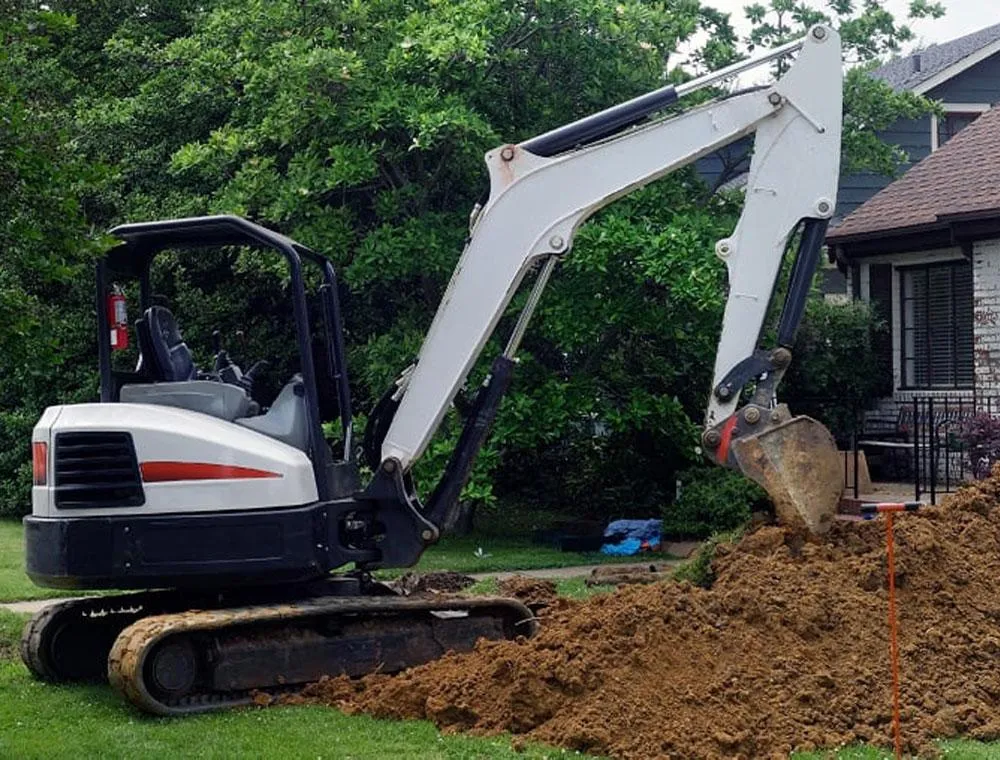
Residential Excavation near Montgomery, AL: A Comprehensive Guide for Homeowners
Embarking on a residential excavation project can be both exciting and daunting. Whether you’re building a new home, installing a pool, or landscaping your property, residential excavation near Montgomery, AL, is a crucial first step. This guide aims to answer common questions and provide valuable insights for homeowners considering excavation services in the area.
What is Residential Excavation?
Residential excavation involves the removal of soil, rock, and other materials to prepare a site for construction or landscaping. This process can include digging foundations, creating trenches for utilities, or grading the land to ensure proper drainage.
Why is Excavation Important?
Excavation is essential because it lays the groundwork for the rest of your project. Proper excavation ensures that foundations are stable, utilities are correctly installed, and landscapes are properly graded. Without it, you risk structural problems, drainage issues, and costly repairs in the future.
Common Questions About Residential Excavation
1. What does the excavation process involve?
The excavation process typically involves several steps:
- Site Assessment: A professional assesses the site to determine soil type, topography, and any potential obstacles.
- Planning: Detailed plans are drawn up, including the depth and extent of the excavation.
- Permits: Necessary permits are obtained from local authorities.
- Clearing: The site is cleared of vegetation, debris, and any structures that need to be removed.
- Digging: The actual excavation takes place, often using heavy machinery like excavators and bulldozers.
- Grading: The site is graded to ensure a level base and proper drainage.
2. How long does residential excavation take?
The duration of an excavation project can vary widely depending on the size and complexity of the project. A simple excavation for a small foundation might take a few days, while a more extensive project, like preparing a site for a new home, could take several weeks.
3. What factors influence the cost of excavation?
Several factors can impact the cost of residential excavation:
- Size of the Project: Larger projects require more time and resources.
- Soil Type: Rocky or hard soil can be more challenging and expensive to excavate.
- Access to the Site: Sites that are difficult to access or require significant clearing can increase costs.
- Permits and Regulations: Obtaining permits and adhering to local regulations can add to the overall cost.
- Unexpected Obstacles: Hidden obstacles like buried pipes, old foundations, or large rocks can also increase expenses.
4. Do I need a professional for residential excavation?
Yes, hiring a professional excavation contractor is crucial. Professionals have the expertise and equipment to handle the job safely and efficiently. They are also familiar with local regulations and can help ensure that all necessary permits are obtained.
Benefits of Hiring a Professional Excavation Contractor
1. Expertise and Experience
Professional contractors bring a wealth of knowledge and experience to the table. They understand the intricacies of different soil types, how to navigate challenging terrains, and the best practices for ensuring a stable foundation.
2. Safety
Excavation can be dangerous. Professionals are trained to handle heavy machinery and understand the safety protocols necessary to prevent accidents and injuries.
3. Efficiency
With the right equipment and skills, professional contractors can complete excavation projects much more quickly and efficiently than attempting a DIY approach.
4. Compliance with Regulations
A professional contractor ensures that your project complies with local building codes and regulations, helping you avoid legal issues and fines.
Tips for Choosing the Right Excavation Contractor
1. Research and Recommendations
Start by researching local contractors and asking for recommendations from friends, family, or neighbors who have undertaken similar projects.
2. Check Credentials
Ensure that the contractor is licensed, insured, and bonded. This protects you in case of accidents or damages during the project.
3. Ask for References
A reputable contractor should be able to provide references from previous clients. Contact these references to ask about their experience and satisfaction with the contractor's work.
4. Get Multiple Quotes
Obtain quotes from several contractors to compare prices and services. Be wary of quotes that are significantly lower than others, as this may indicate subpar work or hidden costs.
5. Review Contracts Carefully
Before signing a contract, review it carefully to ensure that all aspects of the project are clearly outlined, including timelines, costs, and responsibilities.
Preparing for Your Excavation Project
1. Clear Communication
Maintain clear communication with your contractor throughout the project. Discuss your expectations, any concerns, and the timeline for the work.
2. Plan for Disruptions
Excavation can be disruptive, so plan for potential inconveniences. Inform neighbors about the project and any potential noise or traffic disruptions.
3. Protect Surrounding Areas
Ensure that areas surrounding the excavation site are protected from damage. This may involve putting up barriers or using protective coverings.
4. Monitor Progress
Regularly check in with your contractor to monitor progress and address any issues that arise.
Conclusion
Residential excavation is a critical step in many home improvement projects. By understanding the process, hiring a professional contractor, and preparing adequately, you can ensure that your project gets off to a solid start. Whether you're building a new home, installing a pool, or landscaping your yard, proper excavation lays the foundation for success. If you’re considering residential excavation near Montgomery, AL, following these guidelines will help you achieve the best results for your project.